
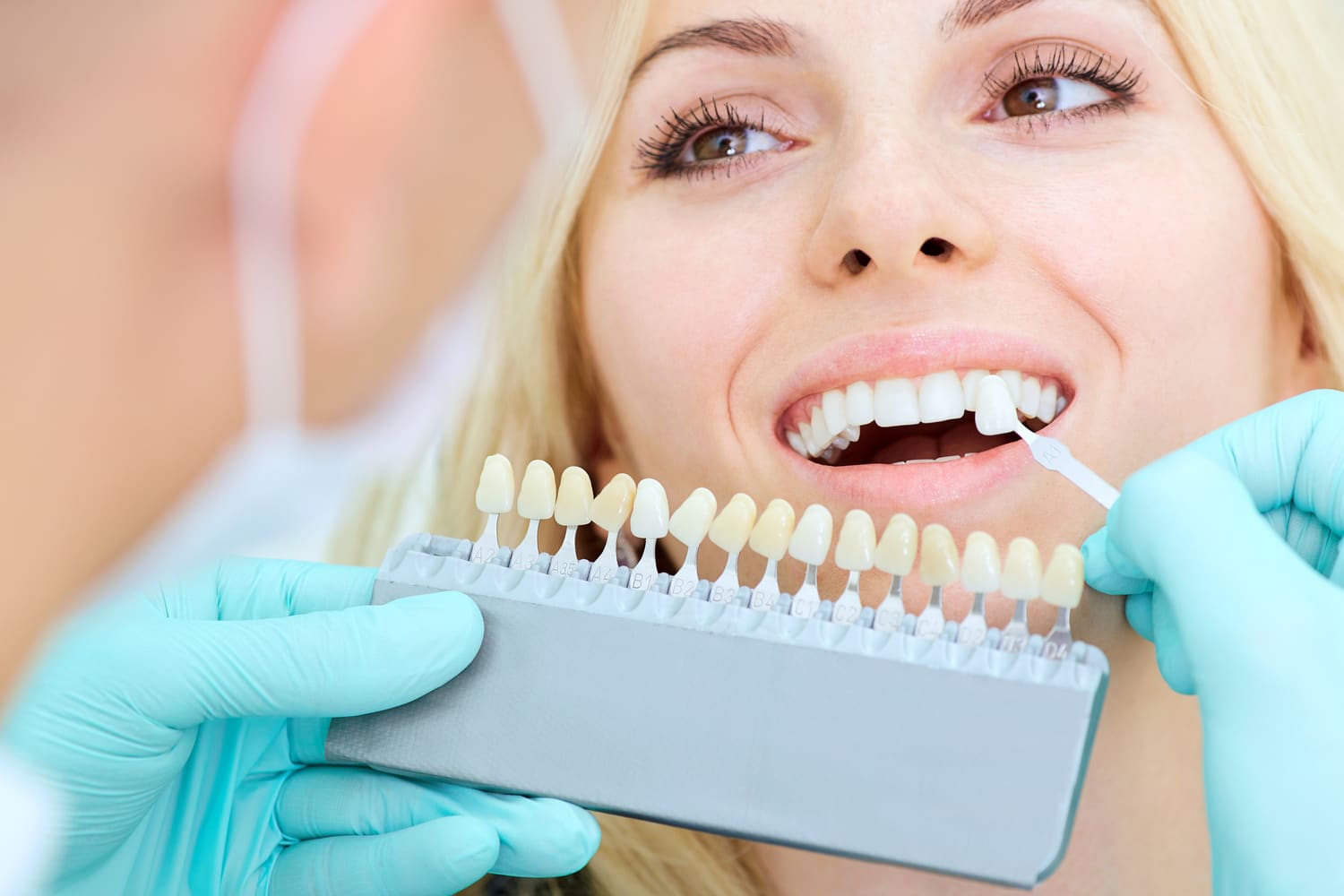
Dental Crowns 101: What Are They and When Do You Need One? in Franklin, TN
At Longpoint Dental in Franklin, TN, we often meet patients who are unsure whether a dental crown is necessary or what a crown actually does. Simply put, a dental crown is a protective restoration designed to cover and strengthen a tooth that has been damaged, weakened, or compromised. Crowns restore function, protect long-term oral health, and improve the appearance of a tooth when other treatments are no longer sufficient.
You may need a dental crown if a tooth has extensive decay, a fracture, significant wear, or has undergone certain procedures that weaken its structure. Dr. Anne Marie Ellis takes a personalized, conservative approach, carefully evaluating your bite, remaining tooth structure, and long-term goals before recommending a crown. Our goal is always to protect your natural teeth while helping you maintain comfort, function, and confidence.
This guide will walk you through what dental crowns are, when they are recommended, the most common types, and what to expect before, during, and after treatment. If you have questions or concerns, our team encourages open conversation and thoughtful decision-making.
This Article will address
- What a dental crown is and what it does
- Common reasons patients need a crown
- Crown types and the most common option
- What to expect during the crown process
- How long crowns last and how to care for them
- Risks, recovery, and when to call the dentist
- When to schedule a crown evaluation at Longpoint Dental in Franklin, TN
What Is a Dental Crown?
A dental crown is a custom-made cap that fits over a tooth to restore its strength, shape, size, and appearance. Once placed, the crown fully covers the visible portion of the tooth above the gumline, helping protect it from further damage.
Dental crowns are used to restore both natural teeth and dental implants. They are designed to function like a natural tooth while providing added durability.
Dental crowns can help with:
- Protecting a weak or damaged tooth
- Restoring chewing function
- Improving the appearance of a tooth
- Supporting other dental restorations
What Dental Condition Would Require a Crown?
Dental crowns are recommended when a tooth needs more support than a filling or bonding can provide. Common conditions that may require a crown include:
- Large decay that weakens the remaining tooth structure
- Cracked or fractured teeth that are at risk of breaking further
- After root canal therapy, when additional reinforcement is needed
- Broken fillings or teeth with extensive restorations
- Severe wear from clenching or grinding
- Cosmetic rebuilding when other options are not appropriate
- Supporting a dental bridge
- Restoring a dental implant
At Longpoint Dental in Franklin, TN, Dr. Ellis carefully evaluates each patient’s oral health, bite alignment, and long-term stability before recommending a crown.
What Is the Most Common Type of Crown?
The most common type of dental crown varies based on individual needs. That said, tooth-colored ceramic or porcelain-based crowns are frequently chosen for visible teeth because they closely match natural enamel.
The right material depends on several factors:
- Appearance and cosmetic goals
- Strength and resistance to wear
- Bite forces and tooth location
- History of clenching or grinding
- Budget and insurance considerations
How we choose the right crown material:
- Evaluate tooth location and function
- Review aesthetic priorities
- Assess bite pressure and habits
- Discuss longevity and maintenance
What Happens During a Dental Crown Procedure?
The dental crown process typically involves multiple steps designed to ensure accuracy and comfort.
Step 1: Exam, imaging, and treatment planning
Dr. Ellis evaluates the tooth, surrounding structures, and bite to confirm a crown is the best option.
Step 2: Tooth preparation and impressions
The tooth is carefully shaped, and scans are taken to create a custom-fit crown.
Step 3: Temporary crown placement
A temporary crown protects the tooth while the final restoration is crafted.
Step 4: Final crown placement and bite adjustment
The permanent crown is placed, adjusted for comfort, and secured.
Throughout the process, patient comfort is prioritized, and questions are always welcome.
How Long Do Dental Crowns Last?
With proper care, dental crowns can last many years. Longevity depends on oral habits, hygiene, and regular dental visits.
What helps a crown last longer:
- Consistent brushing and flossing
- Routine dental exams
- Wearing a night guard if you clench or grind
- Avoiding chewing ice or very hard objects
How Do You Care for a Dental Crown?
Caring for a crown is similar to caring for natural teeth. Daily brushing and flossing help protect the crown margins and surrounding gum tissue. Managing clenching or grinding and attending follow-up visits support long-term success.
What Are the Risks or Disadvantages of Dental Crowns?
While crowns are highly effective, possible considerations include:
- Temporary sensitivity
- Chips or cracks in certain materials
- A crown becoming loose
- Decay at the crown edge if hygiene is poor
- Bite discomfort that needs adjustment
- Rare nerve irritation requiring additional care
Dr. Ellis discusses risks openly so patients can make informed decisions.
What Should You Avoid After Getting a Crown?
After crown placement, patients should:
- Avoid sticky or very hard foods, especially with a temporary crown
- Avoid chewing ice or hard candy
- Wait to chew until numbness wears off
- Chew on the opposite side if tenderness is present
When Should You Call the Dentist After a Crown?
You should contact Longpoint Dental if you experience:
- Ongoing pain beyond the expected healing period
- Swelling, fever, or throbbing discomfort
- A loose or dislodged crown
- Bite issues that do not improve
- Cracks, sharp edges, or persistent bleeding
Why Choose Longpoint Dental for Dental Crowns in Franklin, TN?
Patients choose Longpoint Dental for dental crowns because we focus on personalized treatment and long-term oral health. Our modern, comfortable office environment supports a calm and welcoming experience. Dr. Anne Marie Ellis values patient education and encourages questions so you feel confident in every decision.
Meet Dr. Anne Marie Ellis
- Bachelor of Science, University of Kentucky
- Doctor of Dental Medicine, University of Louisville School of Dentistry (2011)
- Member of the Holistic Dental Association
- Member of the International Academy of Oral Medicine and Toxicology
We welcome new patients and offer prompt scheduling for dental concerns and emergencies.
Schedule a Dental Crown Evaluation at Longpoint Dental in Franklin, TN
Dental crowns play an important role in protecting damaged teeth and restoring comfort and function. Early evaluation helps prevent further complications and supports long-term oral health. If you believe you may need a crown, contact Longpoint Dental in Franklin, TN, to schedule a consultation with Dr. Anne Marie Ellis. New patients are welcome, and dental emergencies are encouraged to call for immediate appointment availability.
Sources
- Cleveland Clinic, Dental Crowns
- Healthline, Dental Crown Appointment
- American Dental Association, Crowns and Restorations

Anne Marie Ellis
Anne Marie Ellis, DMD, is dedicated to helping patients achieve healthier, more radiant smiles. With over a decade of experience, she combines expertise in traditional dentistry with a commitment to holistic, non-toxic care. Dr. Ellis prioritizes understanding her patients’ concerns and educates them to make informed decisions about their oral health. At Longpoint Dental, she offers advanced services, including Invisalign® and laser dentistry. Her compassionate approach ensures every patient feels valued, heard, and empowered.
Personalized Family Dentistry in Franklin, Tennessee
Dr. Anne Marie Ellis is the dentist taking new patients in Franklin, TN. The Longpoint Dental team looks forward to making each patient feel like they are part of our family. Call today to schedule an appointment at our state-of-the-art office.